
Roof
waterproofing

Flat roof waterproofing: Why is it vital?
A flat roof is not just a part of a building – it is a complex engineering system that is constantly exposed to extreme loads: direct sunlight, temperature fluctuations from -30°C to +100°C, standing water and ice. As a specialist who has managed projects both in Lithuania and abroad, I can confirm: roof waterproofing is vital for the survival and daily operation of the structure.
The
main
reasons
why
you
can't
save
here:
Water stagnation (standing water):
Unlike pitched roofs, flat roofs are often exposed to standing water. Even the smallest leak due to a poor seam or micro-crack becomes an “open gate” for moisture to seep into the insulation layer.
Loss of insulation layer:
Once inside, water soaks into the insulation materials (wool or polystyrene layers). Wet insulation loses its thermal properties, causing the building to lose heat and creating a risk of dampness and mould inside.
Structural corrosion:
Moisture reaching reinforced concrete floors or metal structures causes corrosion, which over time compromises the stability and safety of the building.
Fully sun-resistant materials:
It prevents the roof from heating up to +70-100 degrees, the roof reflects the sun's heat and the building is not affected by this external action. It also saves on air conditioning costs, because the interior of the building does not heat up additionally due to the sun.
Water stagnation (standing water):
Unlike pitched roofs, flat roofs are often exposed to standing water. Even the smallest leak due to a poor seam or micro-crack becomes an “open gate” for moisture to seep into the insulation layer.
Loss of insulation layer:
Once inside, water soaks into the insulation materials (wool or polystyrene layers). Wet insulation loses its thermal properties, causing the building to lose heat and creating a risk of dampness and mould inside.
Structural corrosion:
Moisture reaching reinforced concrete floors or metal structures causes corrosion, which over time compromises the stability and safety of the building.
Fully sun-resistant materials:
It prevents the roof from heating up to +70-100 degrees, the roof reflects the sun's heat and the building is not affected by this external action. It also saves on air conditioning costs, because the interior of the building does not heat up additionally due to the sun.
Why
seamless
and
100%
grippy
material?
-
01
Seamless technology:
Seams are the weakest point of any roof. A seamless liquid membrane creates a solid, “monolithic” layer that ideally covers all chimneys, vents and corners – places where rolled materials often fail. -
02
100% adhesion to the substrate:
This is critically important. If the material fully adheres to the surface, water cannot “travel” under it. Even in the event of mechanical damage, the water will remain in the same place and will not cause massive roof failure. -
03
UV and temperature resistance:
The selected materials are adapted to our climate - they do not dry out in the sun and do not crack during extreme cold/heat, remaining elastic for decades.
Roof
SILICONE
waterproofing
system
products:
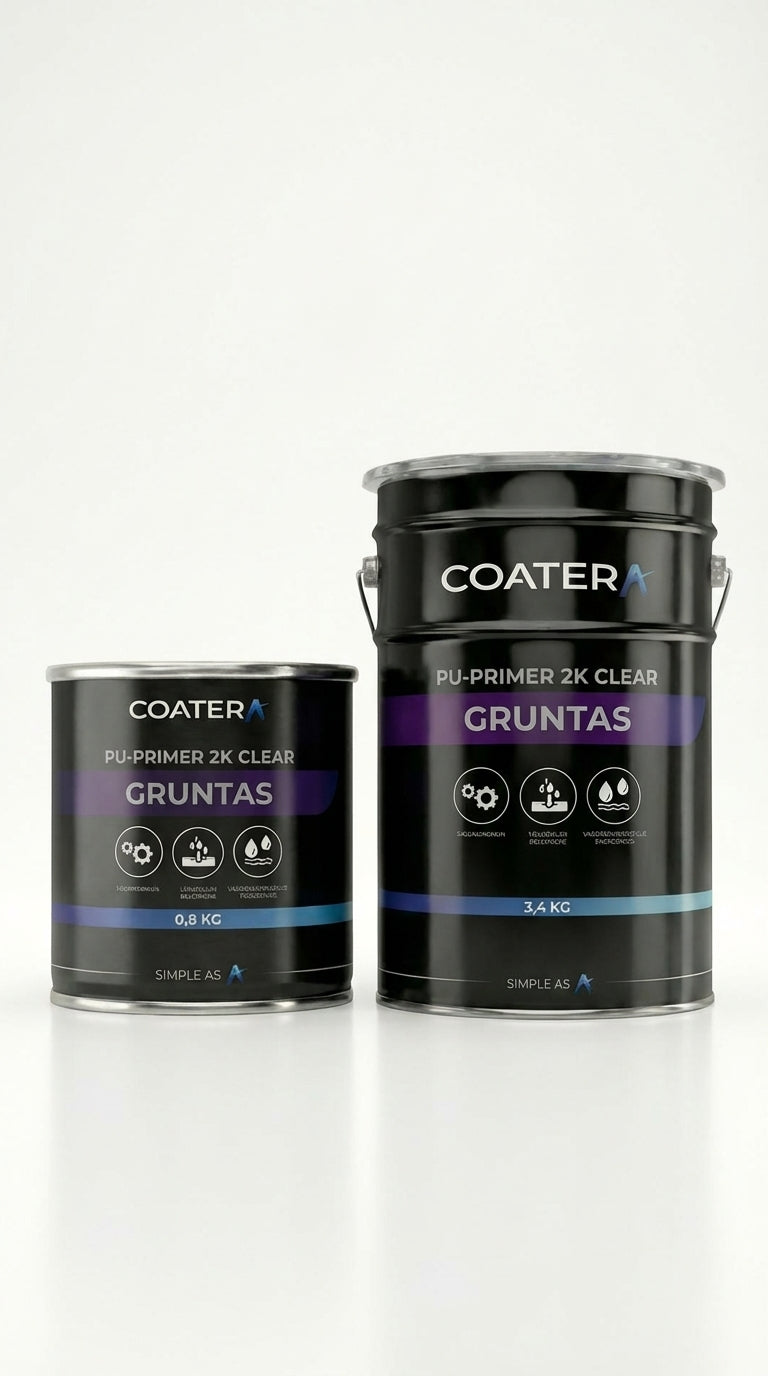
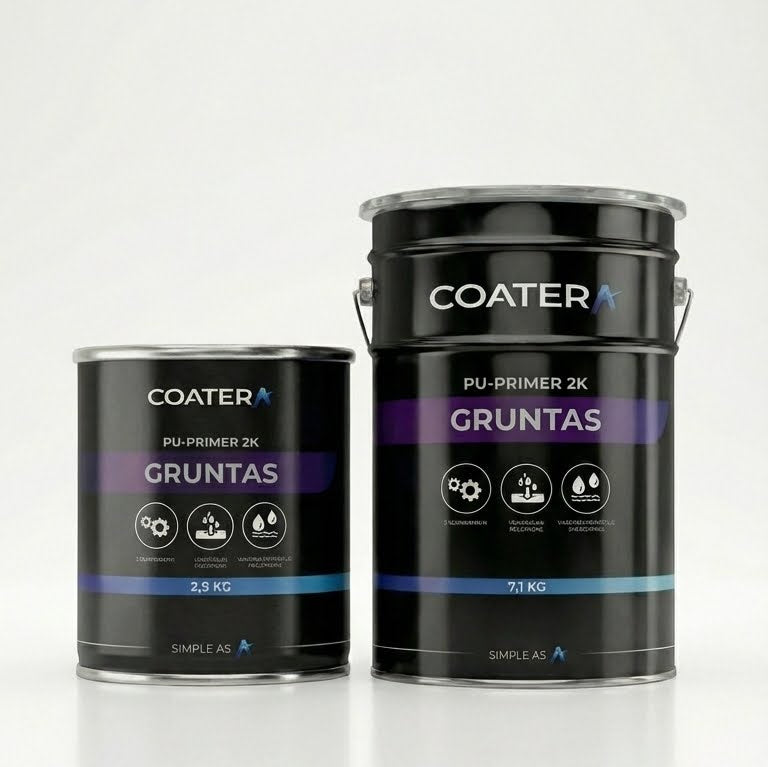
PU PRIMER 2K
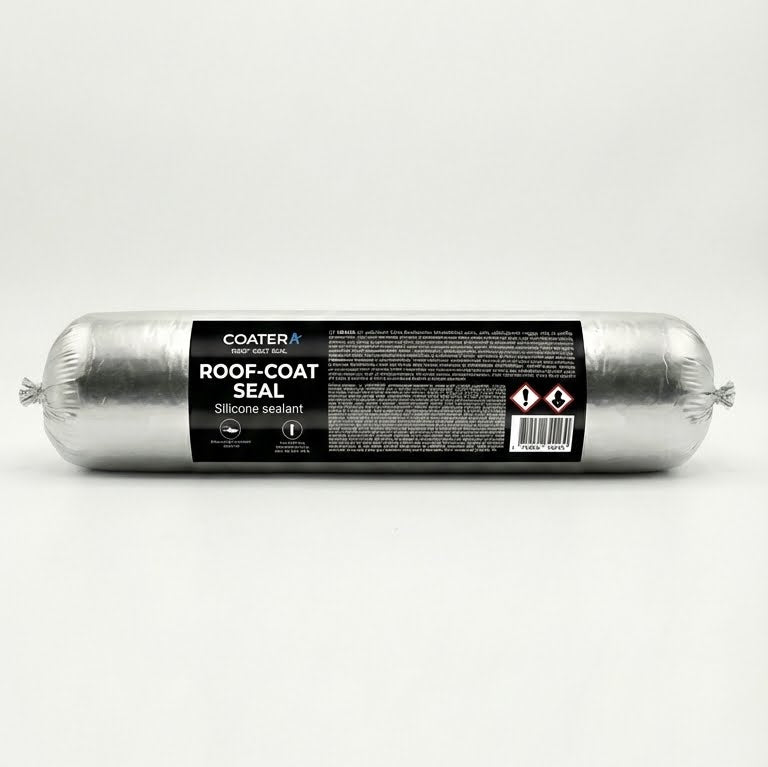
ROOF-COAT SEAL silicone sealant
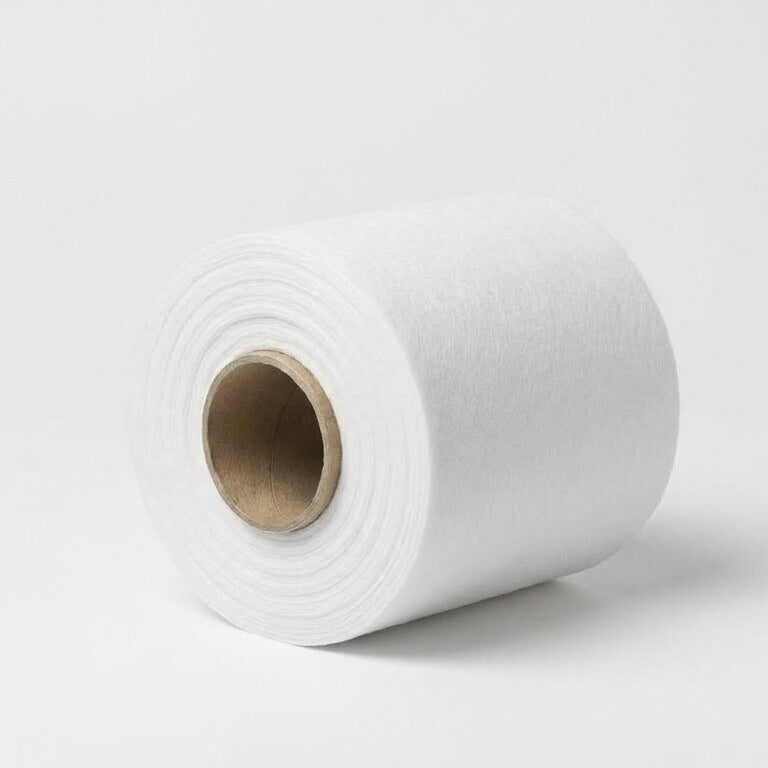
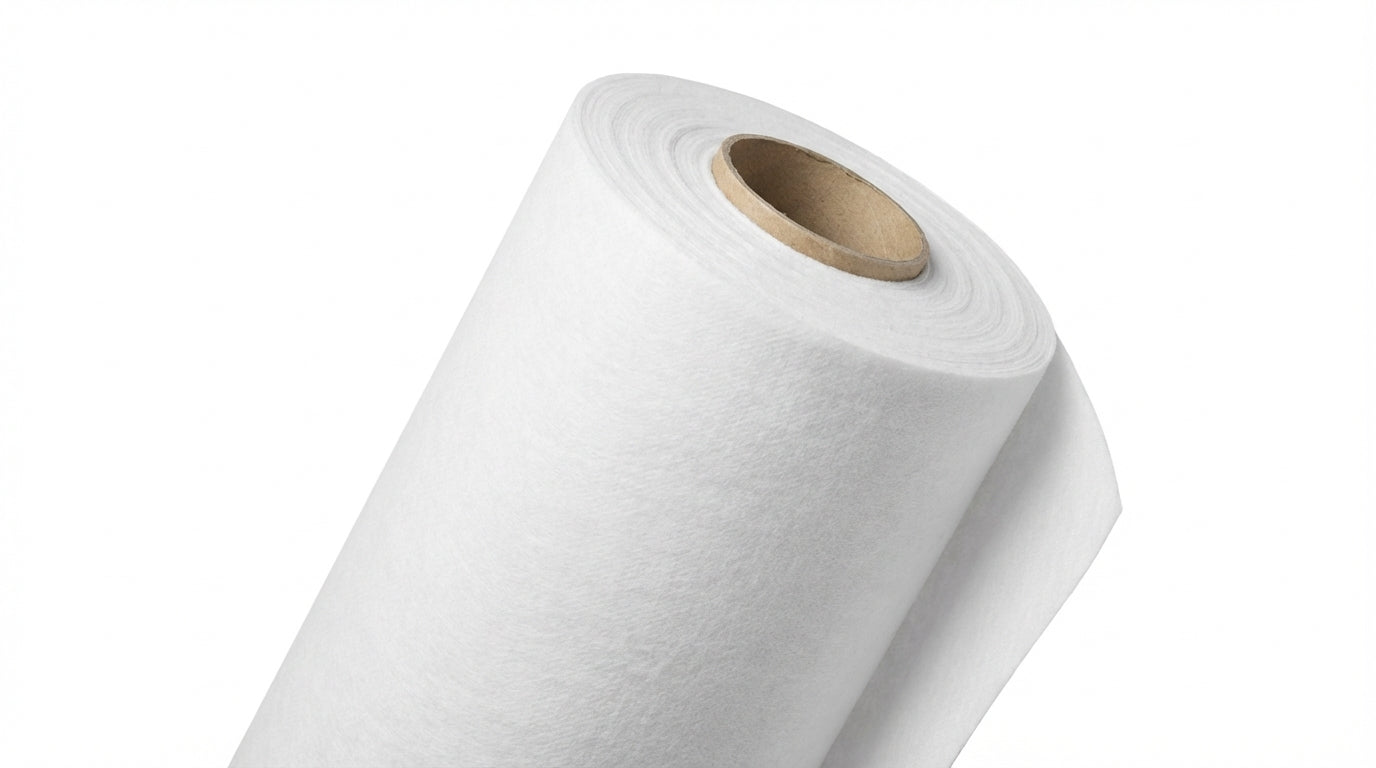
Non-woven geotextile 60gr/m2
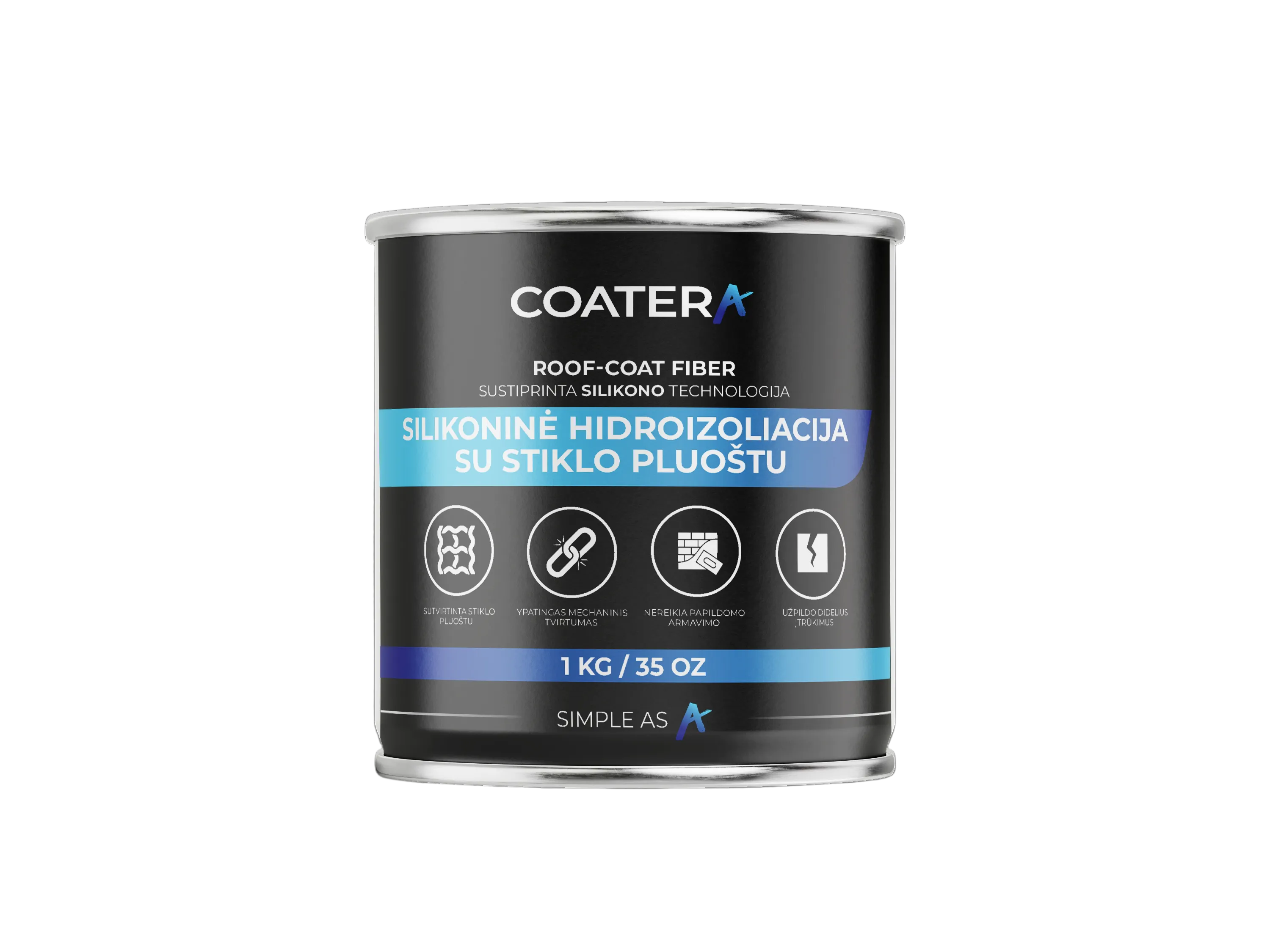
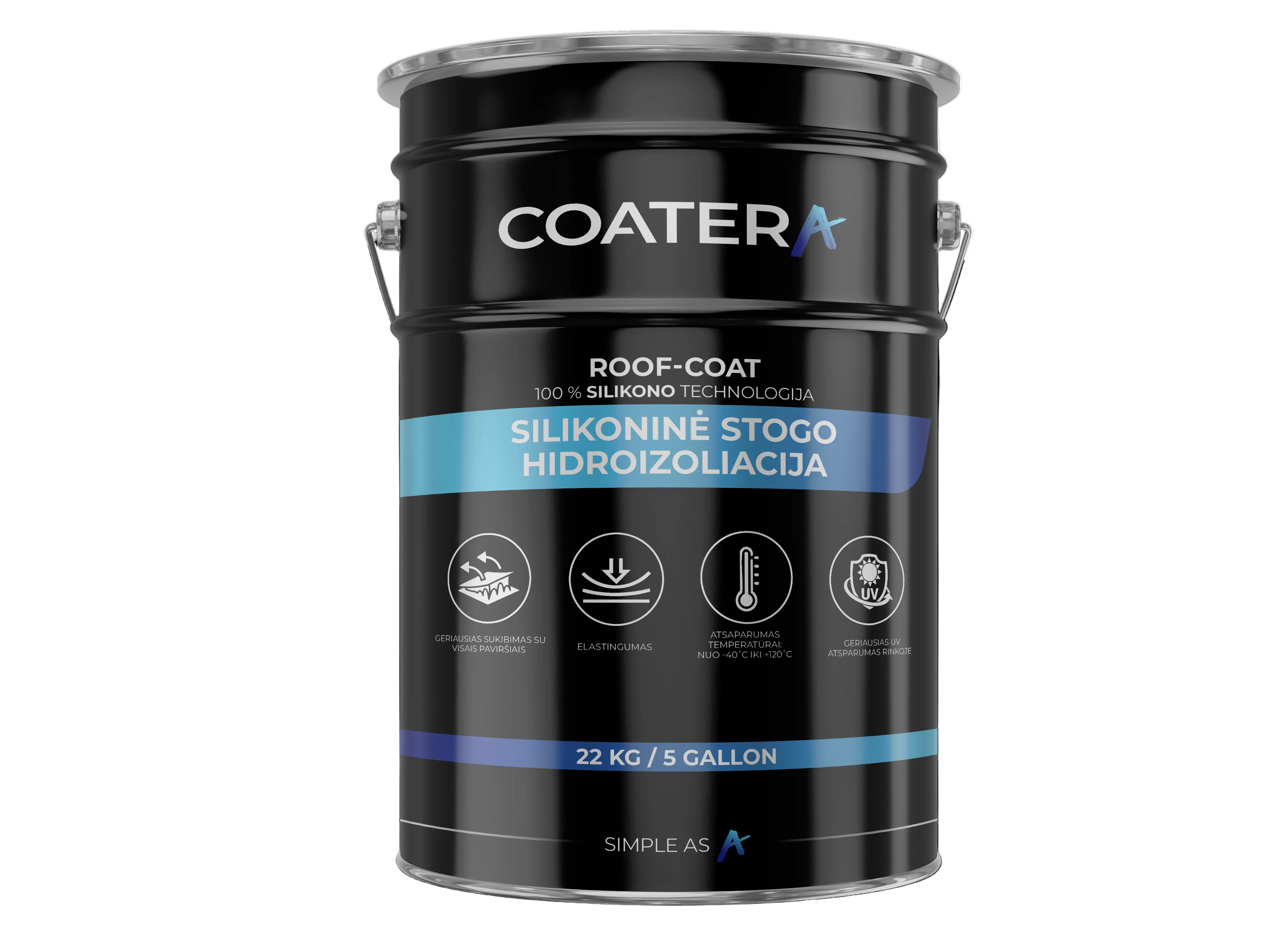
ROOF-COAT Silicone roof waterproofing
PU PRIMER 2K
ROOF-COAT SEAL silicone sealant
Non-woven geotextile 60gr/m2
ROOF-COAT Silicone roof waterproofing
POLYURETHANE
roof
waterproofing
system
products:
PU PRIMER 2K
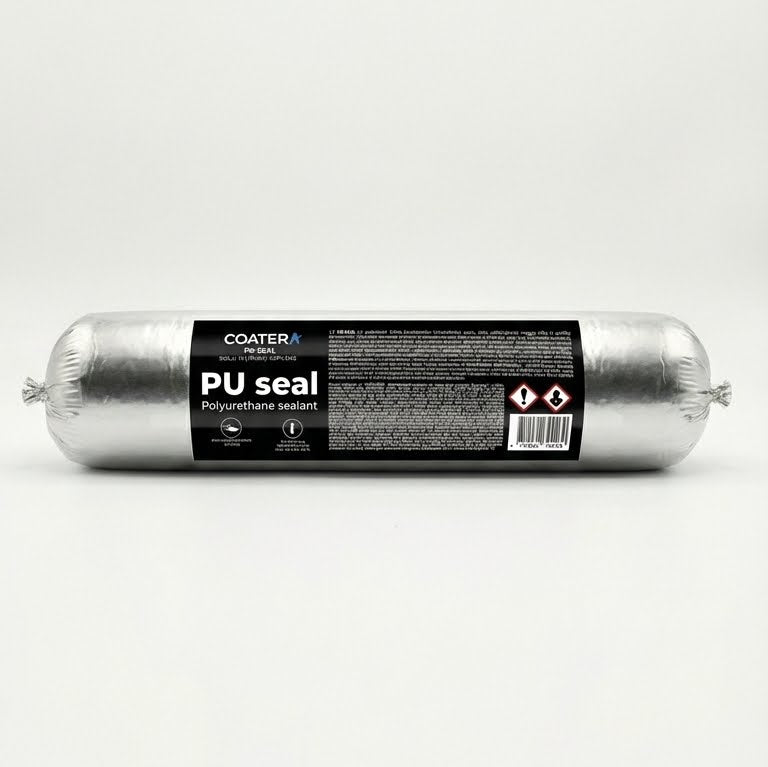
PU-SEAL polyurethane sealant
Non-woven geotextile 60gr/m2
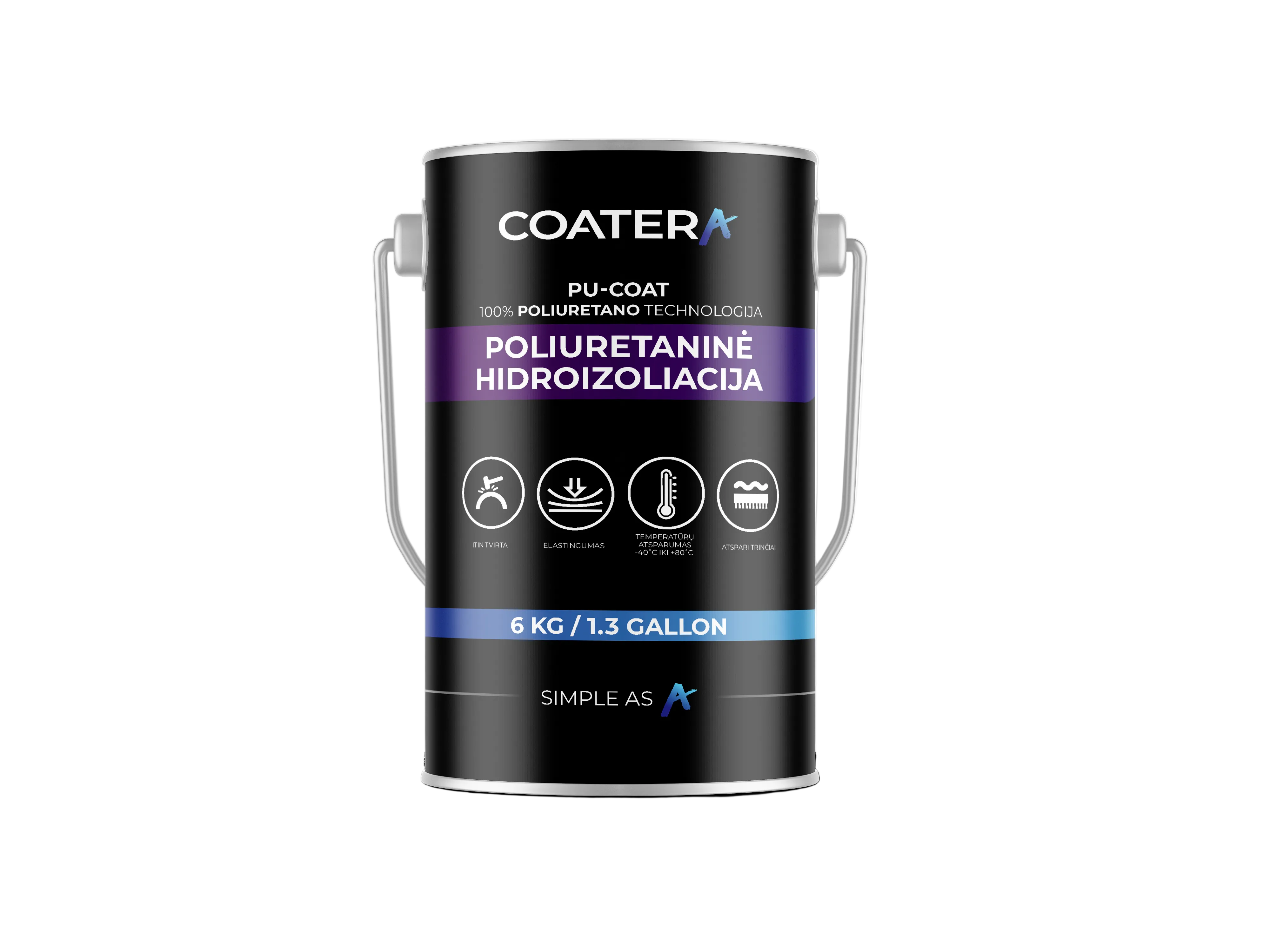
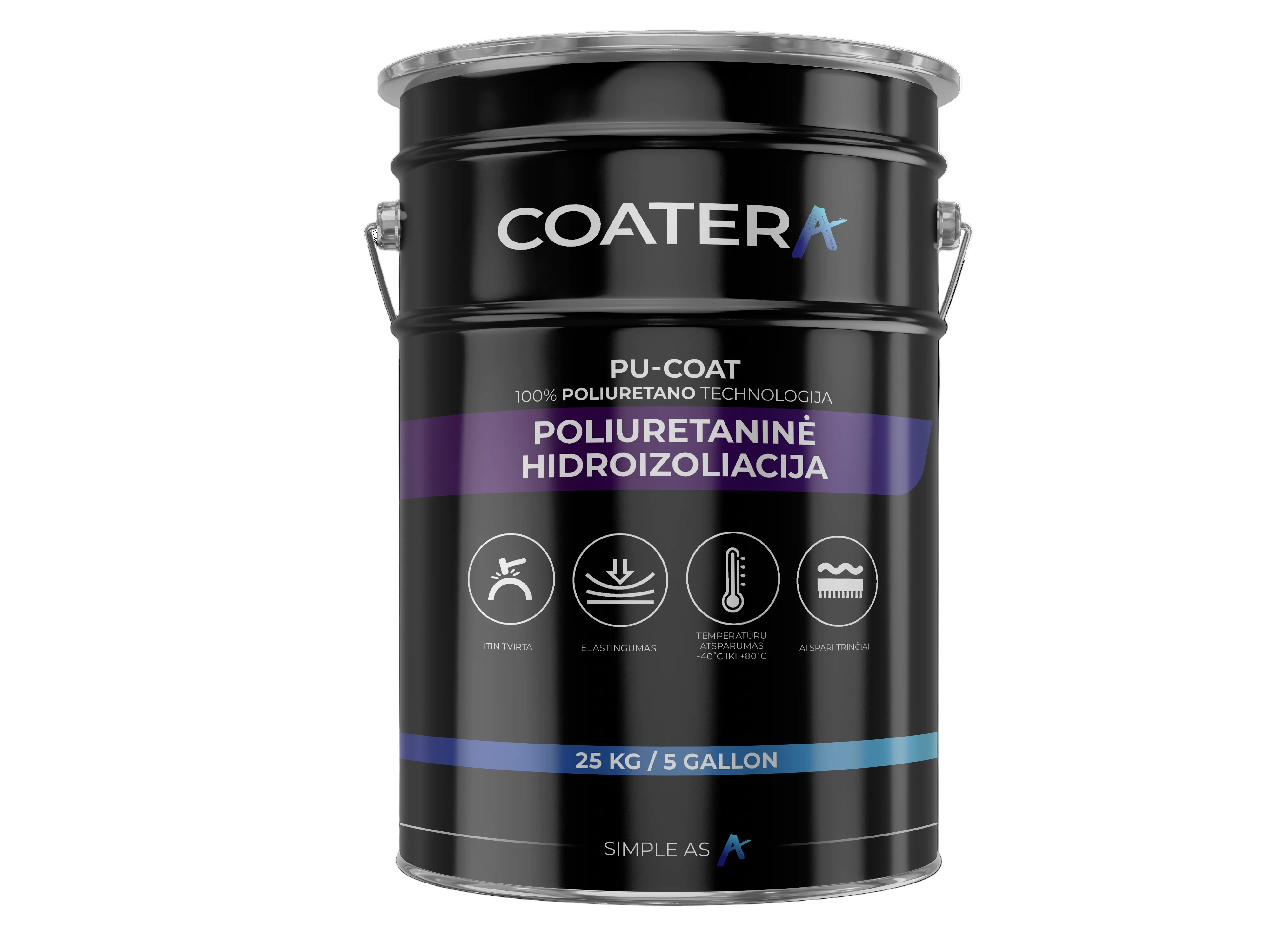
PU-COAT polyurethane waterproofing
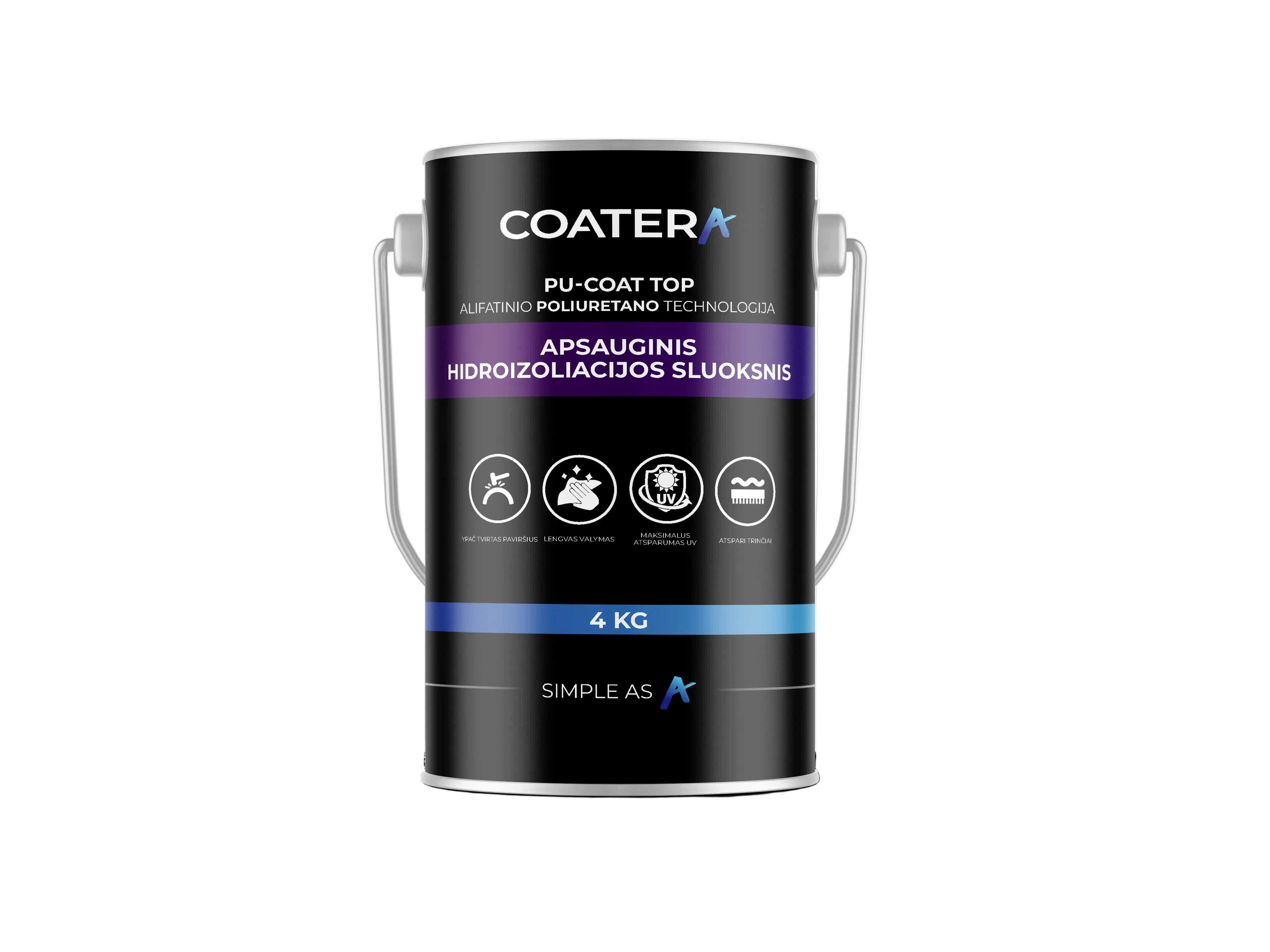
PU-COAT TOP aliphatic protective layer
PU PRIMER 2K
PU-SEAL polyurethane sealant
Non-woven geotextile 60gr/m2
PU-COAT polyurethane waterproofing
PU-COAT TOP aliphatic protective layer
POLYURETHANE
roof
waterproofing
system
products:
PU PRIMER 2K
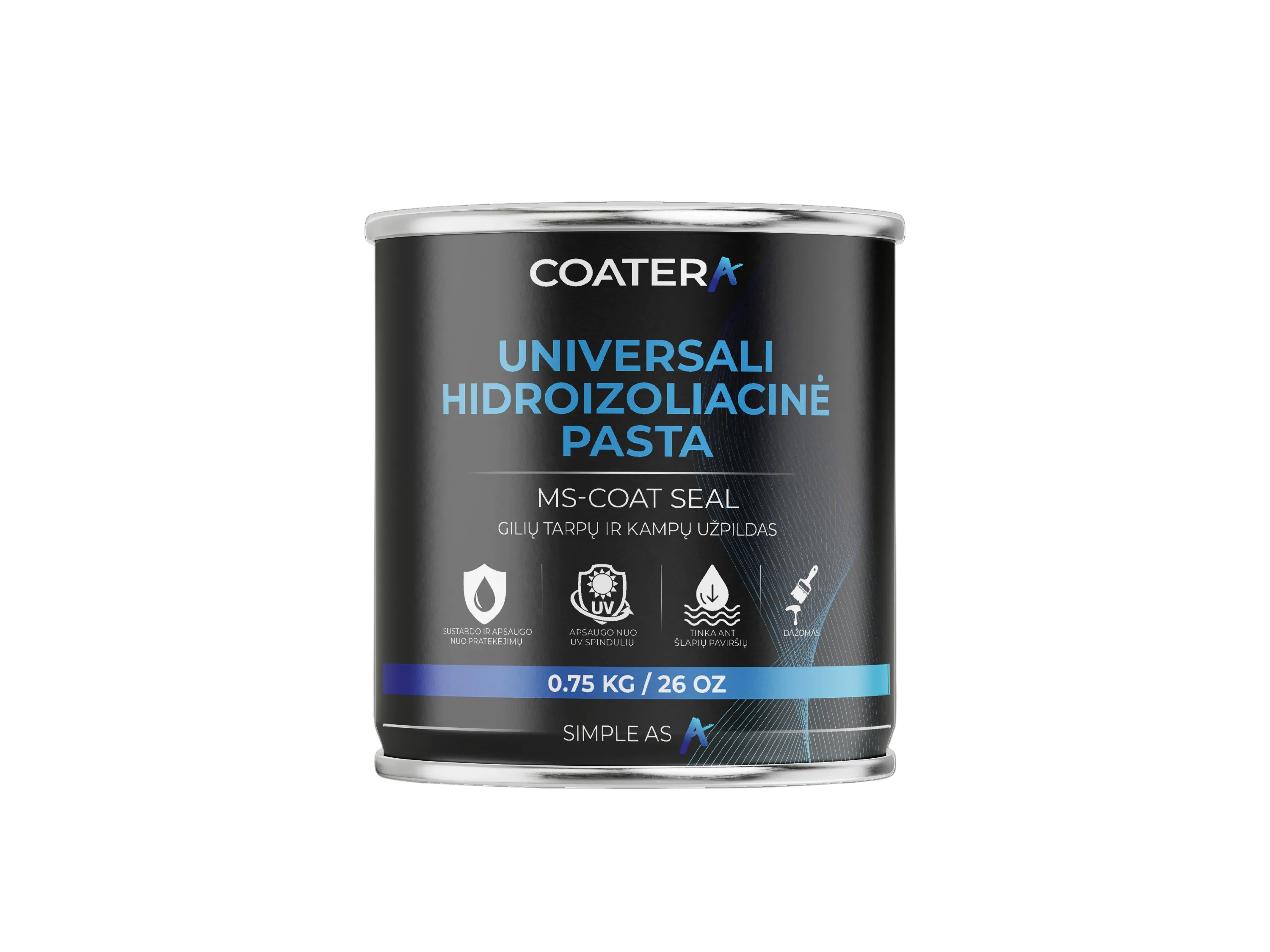
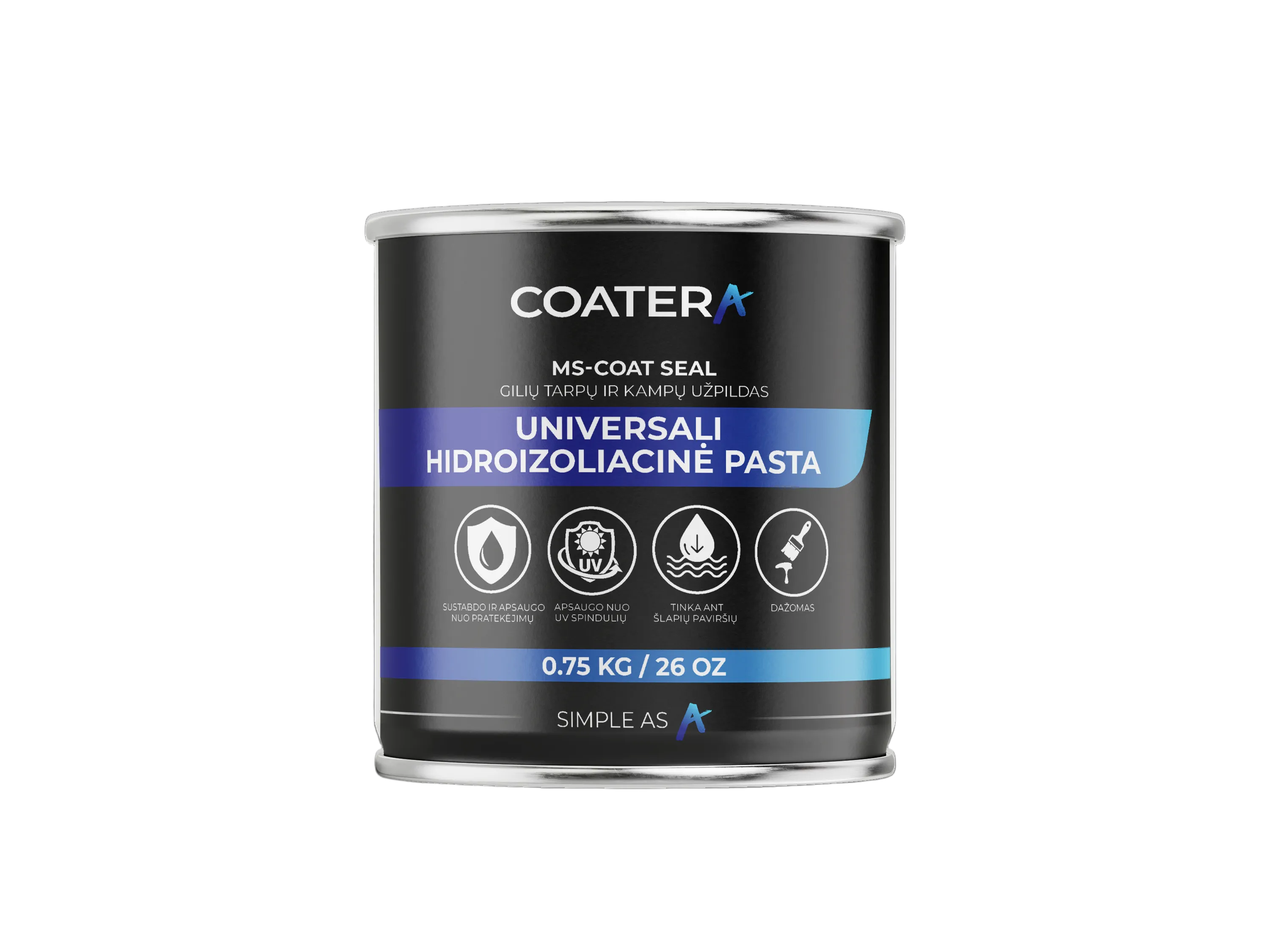
MS-COAT SEAL Universal sealant paste
Non-woven geotextile 60gr/m2
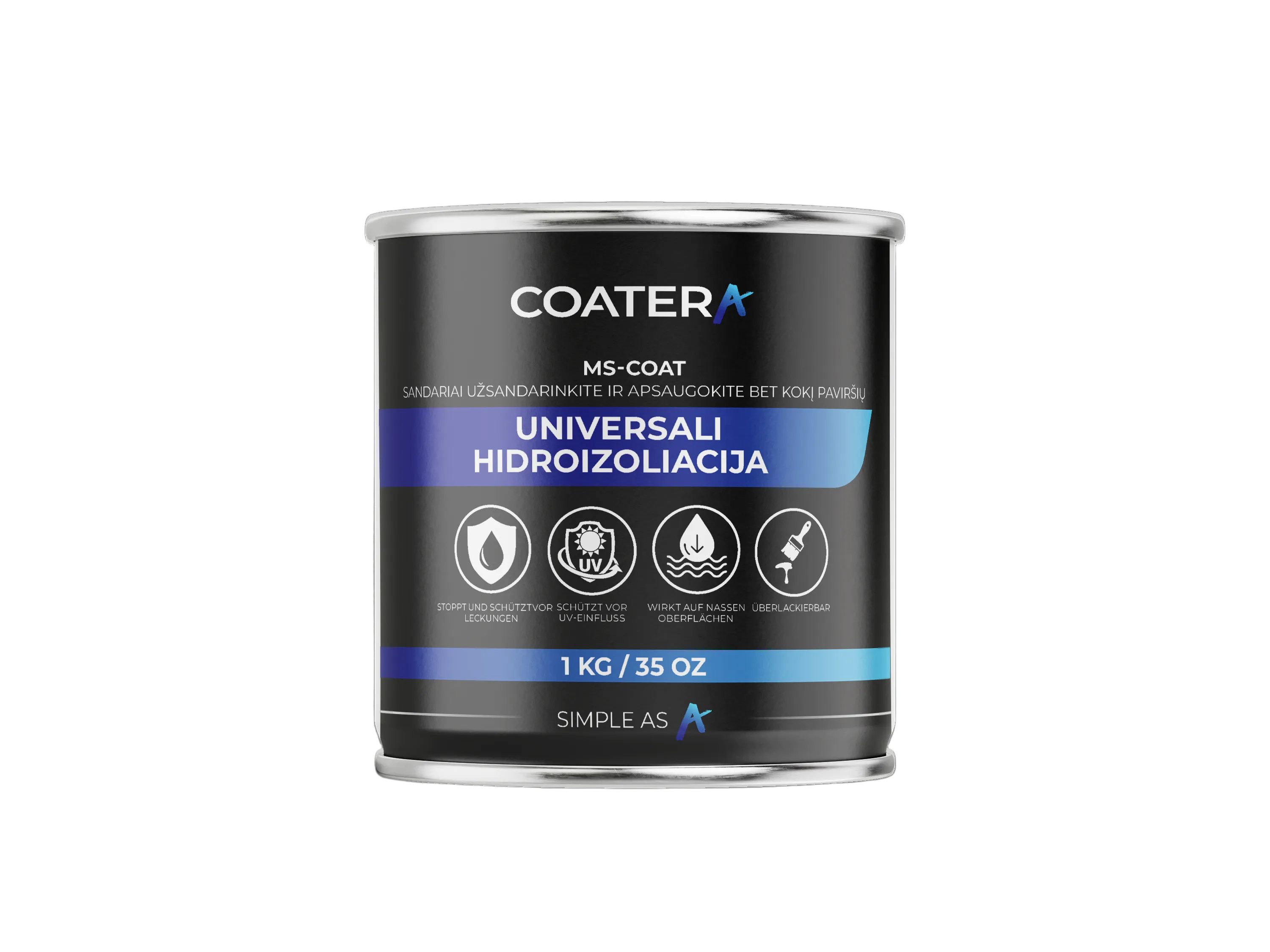
MS-COAT Universal waterproofing
PU PRIMER 2K
MS-COAT SEAL Universal sealant paste
Non-woven geotextile 60gr/m2